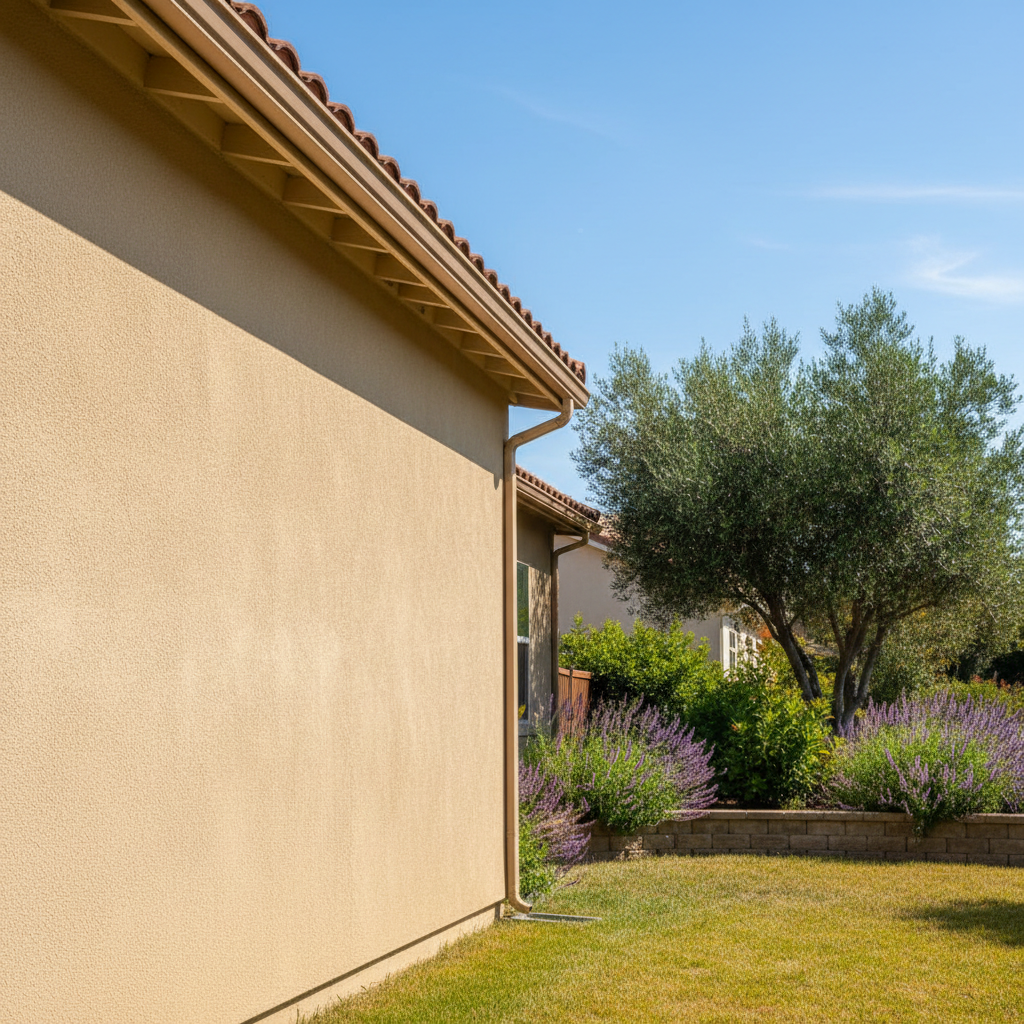
You've got a commercial building, and chances are, it's got stucco. It's a popular choice around here for good reason – it's durable, looks clean, and handles our Bay Area weather pretty well. But 'durable' doesn't mean 'indestructible,' especially when it comes to keeping your business looking its best and avoiding big repair bills down the line. As someone who's been working with stucco in Milpitas for years, I've seen what happens when maintenance gets ignored, and trust me, you don't want to go there.
Extending Your Commercial Stucco's Lifespan
The biggest thing you can do to make your stucco last is pretty simple: keep it clean and keep it dry. Sounds obvious, right? But it's where most problems start. Our climate here in Milpitas, with those long dry spells followed by heavy winter rains, can be tough on materials if they're not properly maintained. Dust, grime, and pollutants from traffic settle on the surface during the dry months, and when the rain hits, it can create a perfect breeding ground for mold and mildew, especially on north-facing walls that don't get much sun.
Regular cleaning isn't just about curb appeal; it prevents organic growth from taking root and potentially damaging the finish. Also, make sure your gutters and downspouts are clear and directing water away from the building. Ponding water near the foundation or constant drips onto a stucco wall are asking for trouble. Water is stucco's number one enemy, and you'd be surprised how often I find issues that started with a clogged gutter.
What Regular Maintenance Looks Like
For most commercial buildings, you're looking at a few key tasks. You don't need to be out there every week, but a good annual or bi-annual check-up can save you a ton of headaches.
- Wash it Down: A good, gentle power wash (or even just a garden hose with a scrub brush for lighter dirt) once a year can make a huge difference. Use a mild detergent if needed, but avoid anything too harsh that could strip the finish.
- Inspect for Cracks: Walk around your building, especially after a big rain or a dry spell. Look for hairline cracks, particularly around windows, doors, and expansion joints. Small cracks aren't always a disaster, but they're entry points for water.
- Check Sealants: The caulk around windows, doors, and where stucco meets other materials (like trim or the roofline) is crucial. It degrades over time with our sun exposure. If it's cracked, shrunken, or missing, it needs to be replaced.
- Trim Landscaping: Keep bushes and trees trimmed back from the stucco. They can hold moisture against the wall, scratch the surface, and provide pathways for pests.
Think of it like changing the oil in your car. A little preventative work now saves you from a blown engine later.
Warning Signs You Can't Ignore
You're busy running your business, I get it. But there are some things you just can't put off. If you see any of these, it's time to pay attention:
- Discoloration or Stains: Dark streaks, green patches (algae/mold), or rust stains often indicate water intrusion or persistent moisture.
- Bulging or Soft Spots: If you press on the stucco and it feels soft, spongy, or bulges out, that's a serious red flag. It usually means water has gotten behind the stucco and is damaging the substrate.
- Large or Spreading Cracks: Hairline cracks are one thing, but cracks that are wider than a credit card, or ones that seem to be getting longer or wider, need immediate attention.
- Efflorescence: That white, powdery substance on the surface? That's efflorescence, and it means water is moving through the stucco, dissolving salts, and depositing them on the surface as it evaporates. It's a clear sign of moisture issues.
- Pest Infestation: Termites, ants, or other pests can find their way into your building through compromised stucco. If you see signs of them, check your stucco for entry points.
These aren't just cosmetic issues; they're indicators of potential structural damage that will only get worse and more expensive if ignored. I've seen commercial buildings in older Milpitas neighborhoods like Sunnyhills where small cracks turned into major rot because they were left too long.
When to Call a Professional (Like Us!)
Look, I'm not saying you need to call Paradise Stucco every time you see a speck of dirt. But if you're seeing any of those warning signs I just mentioned, or if you're just not comfortable tackling the repairs yourself, that's when you pick up the phone. Don't let a small problem become a huge headache.
A professional stucco contractor can properly diagnose the issue, identify the source of water intrusion, and make repairs that actually last. We've got the tools, the materials, and the know-how to fix it right the first time. Trying to patch a serious water intrusion problem yourself often just covers up the symptom without addressing the root cause, leading to bigger problems down the road. We can also advise on proper sealing, expansion joints, and even help you set up a long-term maintenance plan for your commercial property. Your building is a significant investment; protecting it with proper stucco care just makes good business sense.