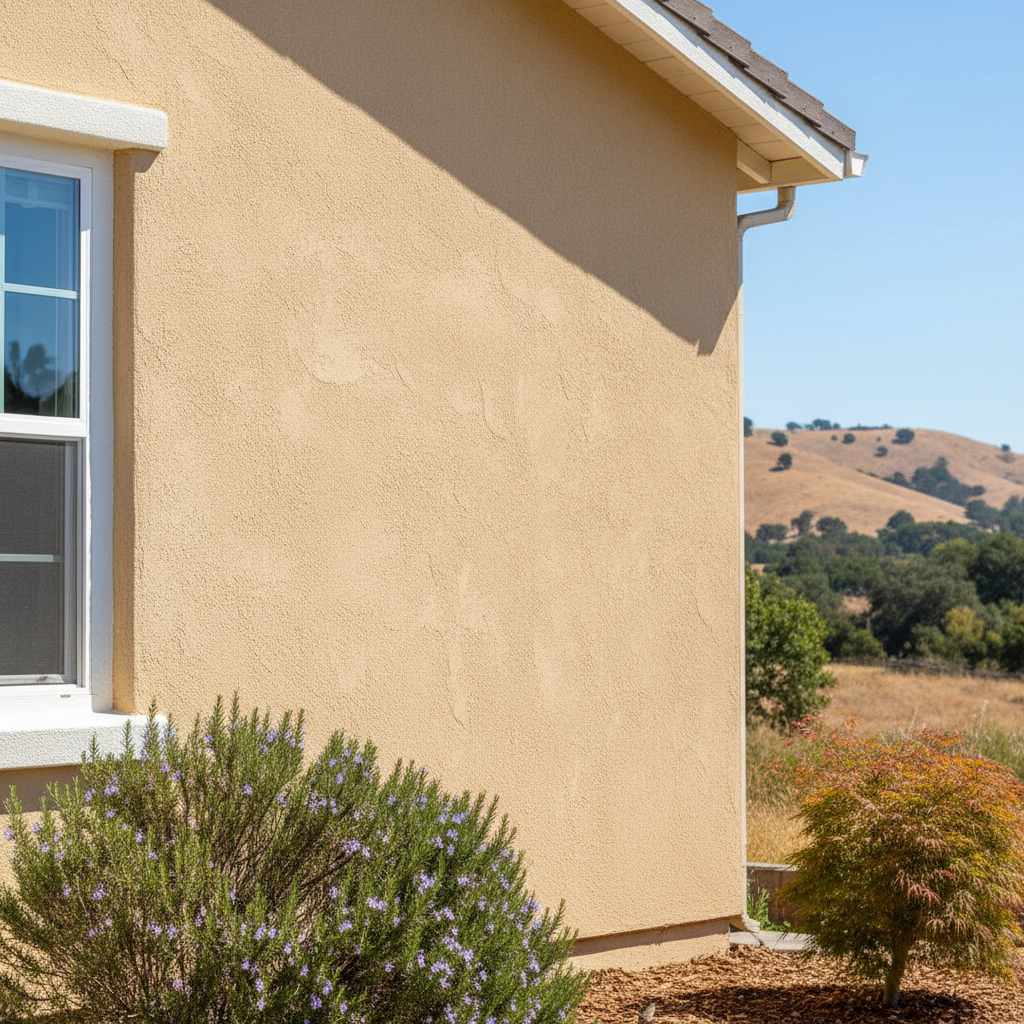
So, your Milpitas home has stucco, right? That's a solid choice, known for how long it lasts and how good it looks. But, like anything else, it needs a little attention to stay in tip-top shape. I've been working with stucco around here for years, and believe me, I've seen what happens when people let it go. Don't let that be your story. A bit of regular maintenance really makes a difference, especially with our Bay Area weather patterns.
Making Your Stucco Last Longer
The main thing we're trying to do here is keep moisture out and prevent physical damage. Stucco's tough, sure, but water is its weakness if it manages to get behind the finish. Here's what you can do:
- Keep your gutters clean. This sounds super basic, but it's honestly the most common problem I run into. Clogged gutters overflow, and then all that water just pours down your stucco walls. That constant stream can wear away the finish, stain it, and eventually work its way into any cracks. Try to do this twice a year, especially before the rainy season hits.
- Trim back your landscaping. Bushes, trees, and vines growing right up against your stucco are a bad idea. They trap moisture, stop the stucco from drying out properly, and can even rub against the surface, causing damage. Give your stucco some space—at least 6 to 12 inches.
- Watch your sprinklers. Don't aim them directly at your house. Constantly wetting the stucco can lead to algae growth, staining, and just make the finish break down faster. Adjust those sprinkler heads!
- Seal around any openings. Take a look at the caulking around your windows, doors, and things like dryer vents or hose bibs. If it's cracked, dried out, or gone missing, replace it. This is a crucial barrier against water getting in.
What "Regular Maintenance" Really Means
This isn't rocket science, you know? It's mostly about paying attention and putting in a little effort.
- Annual Inspection: Walk around your house once a year, maybe in the spring or fall. Really look at the stucco. Are there any new cracks? Any weird discoloration? Is the paint (if it's painted stucco) starting to peel? Pay extra close attention to spots under eaves, around windows, and near the foundation.
- Gentle Cleaning: If you spot dirt, mildew, or algae, clean it off. For most dirt, a garden hose with a spray nozzle does the trick. For tougher spots, you can grab a soft brush and a mild detergent solution (like dish soap and water). Rinse it all thoroughly. Try to avoid pressure washers if you can; if you absolutely must use one, keep it on a very low setting with a wide fan tip, and hold the nozzle far from the wall. High pressure can actually damage the stucco surface and push water into places it shouldn't go.
- Repaint when necessary: If your stucco is painted, eventually you'll need to repaint it. A good quality elastomeric paint can add another layer of protection against moisture and UV rays.
Warning Signs Your Stucco Has Problems
Seriously, don't ignore these. They usually mean something's wrong, and it's time to figure out what's going on.
- Cracks: Hairline cracks are pretty normal with stucco, especially here in Milpitas where we get some ground movement and temperature swings. But if you see cracks wider than a credit card, or if they look like a spiderweb, or if they're horizontal and stretch for more than a few feet, that's a big red flag.
- Stains: Dark streaks, especially under windows or near the roofline, often point to water getting in. Green or black patches could be algae or mold, which means constant moisture is present.
- Bulging or Soft Spots: If you press on the stucco and it feels soft, or if a section looks like it's bulging outward, that's a serious sign of water damage behind the stucco. This usually means the lath or sheathing is rotting.
- Efflorescence: This is that white, powdery stuff you see on the surface. It's mineral salts left behind when water evaporates from inside the wall. It clearly means water is getting in, dissolving minerals, and then evaporating out, leaving those salts.
- Peeling Paint: If your painted stucco is peeling, especially in big chunks, it's often a sign of moisture trapped underneath, pushing the paint right off.
When to Call a Professional
Look, I'm a big fan of DIY when it makes sense. But some things are just better handled by the pros. If you notice any of those serious warning signs – wide cracks, bulging, persistent staining, or efflorescence – it's definitely time to call someone like us at Paradise Stucco. We've got the experience to properly figure out what's wrong. Sometimes it's a simple repair, but other times it points to a bigger issue that needs a skilled eye to fix correctly. Catching these problems early can save you a ton of money and a lot of headaches down the road. Don't wait until it turns into a major structural problem. Your home's exterior protects everything inside, so make sure it's doing its job right.