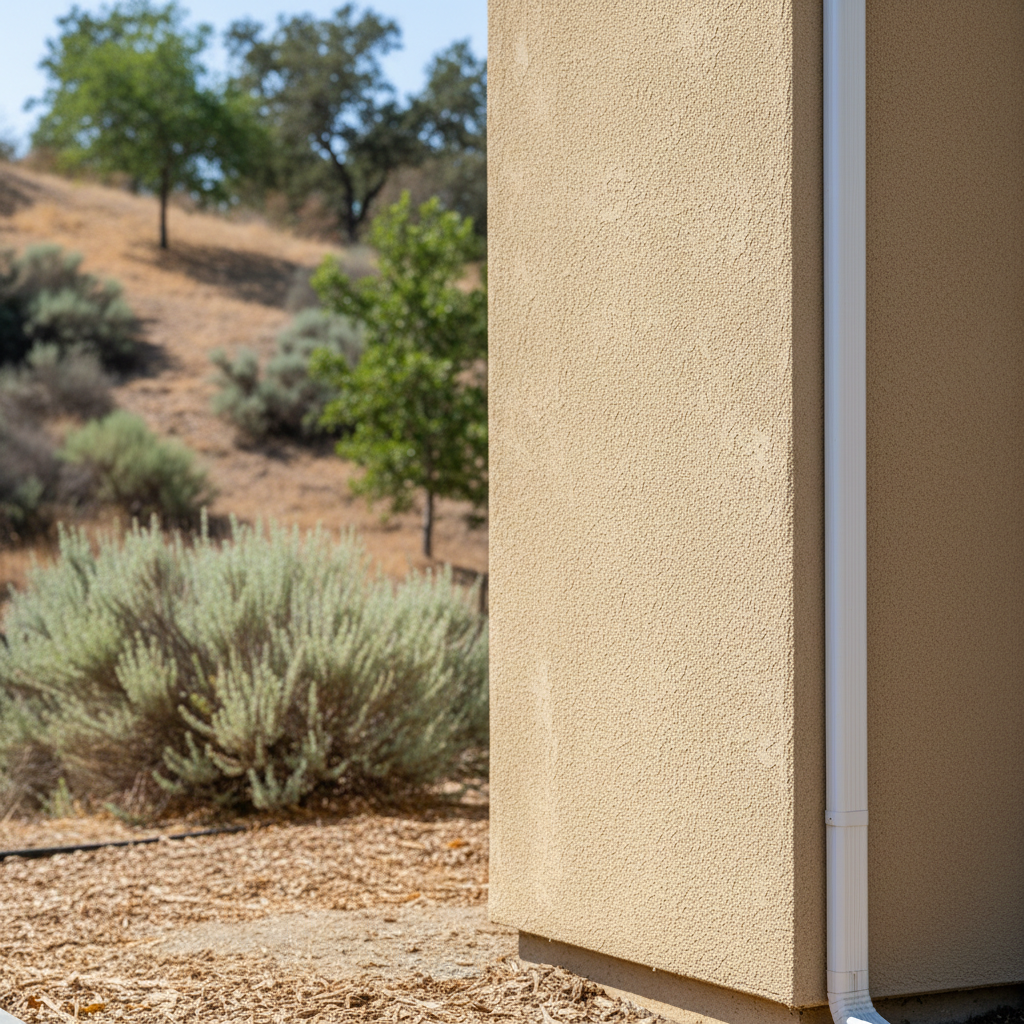
So, you're thinking about stucco for your place right here in Milpitas. Maybe you're building something new, or you're knee-deep in a big remodel and just want a fresh look. Smart move, honestly. Stucco's a really solid, durable finish — when it's put on correctly, that is. Over my 25 years in this business, I've heard just about every question you can imagine about stucco installation. Let's dig into some of the most common ones I get from homeowners, folks just like you.
How long does a new stucco installation actually take?
That's a big one, and to be frank, it really depends. A small addition? We could probably get the stucco part done in a week or two. But a whole house, say a 2,000 square foot home over in the Parktown neighborhood? You're likely looking at three to five weeks for the stucco work itself, and that's not even counting any prep by other trades or the drying time between coats. See, there are several layers – the paper, lath, scratch coat, brown coat, and then the finish coat. Each one needs time to cure properly, especially with our sometimes-damp mornings here in the Bay Area. You just can't rush it; otherwise, you'll end up with cracks or adhesion problems down the line.
What's the difference between traditional stucco and synthetic (EIFS)? Which one should I get?
Okay, this is super important. Traditional stucco, which is what we mostly do here at Paradise Stucco, is cement-based. It's hard, it breathes, and it's incredibly durable. We apply it in multiple layers over a moisture barrier and wire lath. Synthetic stucco, or EIFS (Exterior Insulation and Finish System), is a different beast entirely. It starts with a layer of foam board insulation, then a fiberglass mesh embedded in a base coat, and finally a synthetic finish coat. EIFS does offer better insulation, which can really help with your energy bills. But here's the catch: if EIFS isn't installed perfectly — I mean, with proper flashing and drainage — it can trap water behind it. That leads to serious moisture damage and mold. Traditional stucco, because it breathes, is a lot more forgiving if a little water happens to get in. For most homeowners here in Milpitas, I usually suggest traditional stucco. It just has a proven track record and resilience, especially with our occasional heavy rains. EIFS can be great, sure, but you absolutely need an installer who *really* knows their stuff with it.
Does stucco need to be painted?
Not always. Traditional stucco can come integrally colored, meaning we mix the color right into that final coat. This is a fantastic choice because the color goes all the way through the material, so any minor nicks or scratches aren't nearly as noticeable. If you pick an uncolored stucco, or if you decide you want a different look later on, then yes, you'll paint it. Just be sure to use a high-quality elastomeric paint made for masonry. It'll flex with the stucco and give you good protection.
How do you prevent cracks in new stucco?
Look, you can't prevent *every single* crack. Hairline cracks are pretty normal in cement-based products as they cure and the house settles. But you can definitely minimize major cracking. It all starts with proper preparation: using expansion joints where they're needed, especially around windows, doors, and where the wall material changes. Good lath installation is also crucial – making sure it's securely fastened and overlapped correctly. Then, it's all about the mix and how we apply it. Using the right sand-to-cement ratio, applying coats at the correct thickness, and giving each coat enough time to cure – that's our process. We also make sure the surface underneath is stable. If your foundation is shifting, no amount of perfect stucco work will stop cracks, right?
What kind of maintenance does new stucco require?
Honestly, not much. That's one of its big selling points. The main thing is keeping it clean. A good wash with a garden hose once a year, maybe a soft brush for any stubborn spots, usually does the trick. If you happen to notice any small cracks, just keep an eye on them. Most aren't a big deal, but if they start to get wider or you see water getting in, you'll want to take care of them. Also, make sure your gutters and downspouts are working right and directing water away from the walls. Constant water exposure is stucco's arch-nemesis.
Can stucco be installed over existing siding?
Sometimes, but it's not always the best idea. For instance, if you have old wood siding, we'd typically recommend taking it off first. That way, we can check the sheathing underneath, make sure there's no rot or damage, and install the new lath and paper directly to a solid surface. Trying to stucco over existing siding can lead to issues with proper adhesion, how moisture is managed, and it might not even meet current building codes. Plus, it adds a lot of extra weight to the structure. It's usually worth the extra effort to strip it down and just do it right from the beginning.
What's the typical cost for new stucco installation?
Ah, the million-dollar question! It's really tough to give you a number without actually seeing the job. The cost changes a lot based on your home's size, how complex the architecture is (lots of corners, arches, or intricate details will cost more), the type of stucco system you pick, and any prep work that's needed. Generally, you're looking at a range per square foot, but that's just for the stucco itself. It doesn't include things like scaffolding, permits, or any necessary repairs to the underlying structure. The best way to get an accurate cost is to get a few bids from reputable contractors. We're always happy to come out and give you a detailed estimate for your Milpitas home, no obligation.
Hopefully, that clears up some of your questions about getting new stucco. It's a great investment for your home's look and protection when it's done right. If you've got more questions or want to chat about your project, just give us a call at Paradise Stucco. We're always here to help.