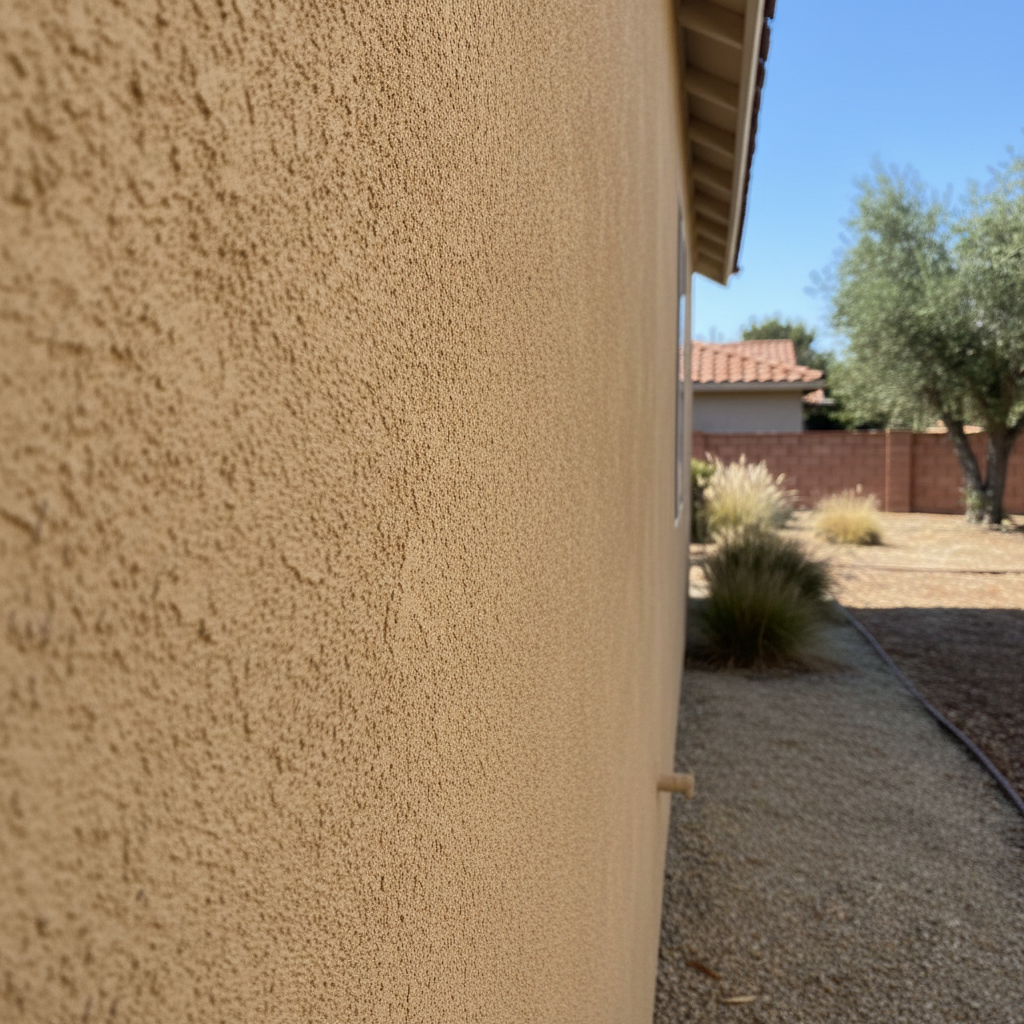
Stucco's pretty great, isn't it? It's tough, looks good, and usually handles our Milpitas weather just fine. But even the strongest stuff takes a beating over time. I hear from a lot of homeowners worried about their stucco, and honestly, the questions are often quite similar. So, I figured, why not put together a simple FAQ to clear things up? No fancy words, just the stuff you actually need to know.
Why does stucco crack, anyway?
This is probably the question I get asked most often. Stucco cracks for a few reasons. Sometimes, it's just your house settling. Every home shifts a bit over the years, and stucco, being a rigid material, can crack under that stress. Then there's moisture. If water gets behind the stucco, it can make the wood lath expand and contract, or even rot, which then causes cracks. Bad installation is another big one — if the stucco wasn't put on right, or if the wall underneath wasn't prepped properly, it's going to fail sooner than it should. And let's not forget seismic activity; we are in California, after all. Even tiny tremors can lead to hairline cracks over many, many years. Here in Milpitas, especially with some of the older houses built on expansive clay soils, foundation movement from changes in soil moisture can really contribute to stucco cracking.
How can I tell if a crack is serious or just cosmetic?
Good question, because not all cracks are created equal. Hairline cracks, those super thin ones you can barely see, are usually just surface-level. They often come from normal curing or minor settling and typically don't mean water's getting in. You can often patch these yourself with a good quality caulk or an elastomeric patch. But if you see cracks wider than a credit card, or if they're zig-zagging (we call them stair-step cracks, especially near windows or doors), or if they seem to be growing over time, those are definite red flags. These could point to structural issues, significant water intrusion, or other hidden problems that really need a pro to look at. If you can stick a dime into a crack? Time to call someone like us at Paradise Stucco.
Can I just patch the stucco myself, or do I need a pro?
For small, cosmetic cracks, absolutely, you can give patching it a shot. There are plenty of decent stucco patch kits and caulks out there. Just be sure to clean the area really well, use a patch that works with your existing stucco, and try your best to match the texture. But for anything more than minor surface fixes — if you've got big areas of loose stucco, serious cracking, water stains, or if you suspect rot underneath — you really need a professional. Stucco repair isn't just about slapping on some new material; it's about understanding the root causes, making sure water drains properly, and matching the texture and color so the repair doesn't stick out like a sore thumb. A bad patch, frankly, can actually make things worse, trapping moisture or creating an eyesore.
How do you match the color and texture of existing stucco?
This is one of the trickiest parts of stucco repair, and it's where experience truly shines. Color matching involves a lot of trial and error, mixing pigments to get as close as possible to the faded color of your existing stucco. Remember, your stucco has been out in the sun and elements for years, so its original color has definitely changed. We often have to mix custom batches. For texture, it's all about using the right tools and application techniques. There are tons of different stucco textures — smooth, sand float, dash, Santa Barbara, worm finish, you name it. A good stucco contractor will know how to copy these by adjusting the mix, the trowel, and how they apply it. We'll usually do a test patch in a less noticeable spot first to make sure we're getting it right before we tackle the main repair.
What's the big deal with stucco and water intrusion?
Water is stucco's arch-nemesis. If water gets behind your stucco and can't escape, you're going to have problems. This can lead to wood rot in the framing, mold growth, and eventually, the stucco itself will fail, cracking and delaminating. Often, water gets in around openings like windows, doors, and vents, or where different materials meet, especially if the flashing wasn't installed correctly. Sometimes it's from gutters overflowing right onto the stucco. When we do a repair, particularly if we suspect water damage, we don't just fix the surface stucco. We'll investigate to find where the water is coming from, repair any damaged sheathing or framing, and make sure proper flashing and weep screeds are in place to stop future issues. It's about fixing the symptom and the cause, if you know what I mean.
How long does a typical stucco repair take?
That really depends on how bad the damage is. A small, simple patch might take just a few hours. A bigger repair, though, involving removing large sections of stucco, fixing damage to the wall underneath, and then putting on multiple coats of new stucco could take several days, sometimes even a week or more, especially when you factor in drying times between coats. We also have to think about the weather; you can't apply stucco in the rain, and extreme heat can mess with how it cures. When we give you an estimate, we'll give you a realistic timeline based on the specific work your home needs.
What should I look for in a stucco repair contractor?
You want someone who's licensed and insured, first and foremost. Ask for references and check out their past work. A good contractor will come out, do a thorough inspection, and give you a detailed, written estimate that clearly explains what they're going to do. They should be able to explain why your stucco got damaged, not just offer to patch it up. Look for someone who specializes in stucco, not just a general handyman. Experience with different stucco systems and textures is crucial for a repair that blends in perfectly. And frankly, you want someone who communicates well and stands behind their work. That's what we aim for at Paradise Stucco.